

How To Protect Personal Belongings
Personal Belongings and Personal Property: A question I get often both from homeowners and renters is, “What is considered personal belongings vs. personal property?” In the world of insurance, these terms are often used interchangeably to describe Coverage C. Simply put: If you could tip your house upside down and shake it, everything that falls out—your clothes, furniture, electronics, and that expensive blender—is considered your personal belongings.
Protecting these items requires more than just locking your front door. It requires a strategy that combines physical security with the right insurance coverage.
1. Conduct a Home Inventory
Most people drastically underestimate the value of what they own. In the event of a total loss (like a fire), trying to remember every pair of shoes and kitchen utensil you owned is impossible.
- The Solution: Take a video on your smartphone. Walk through every room, open every drawer, and narrate what you see.
- Storage: Upload this video to a cloud service (Google Drive, iCloud, or Dropbox) so it’s accessible even if your phone and computer are destroyed.
2. Understand ACV vs. Replacement Cost
Not all insurance policies are created equal. When your belongings are damaged, the insurance company will pay out in one of two ways:
- Actual Cash Value (ACV): This pays you what the item was worth at the time of the loss. That 5-year-old laptop? You’ll get what it sells for on eBay today—maybe $150.
- Replacement Cost Value (RCV): This pays you what it costs to buy that same laptop new today. Mythic Tip: Always opt for Replacement Cost Value. It costs slightly more in premiums, but it’s the only way to truly recover after a disaster.
3. “Schedule” Your High-Value Items
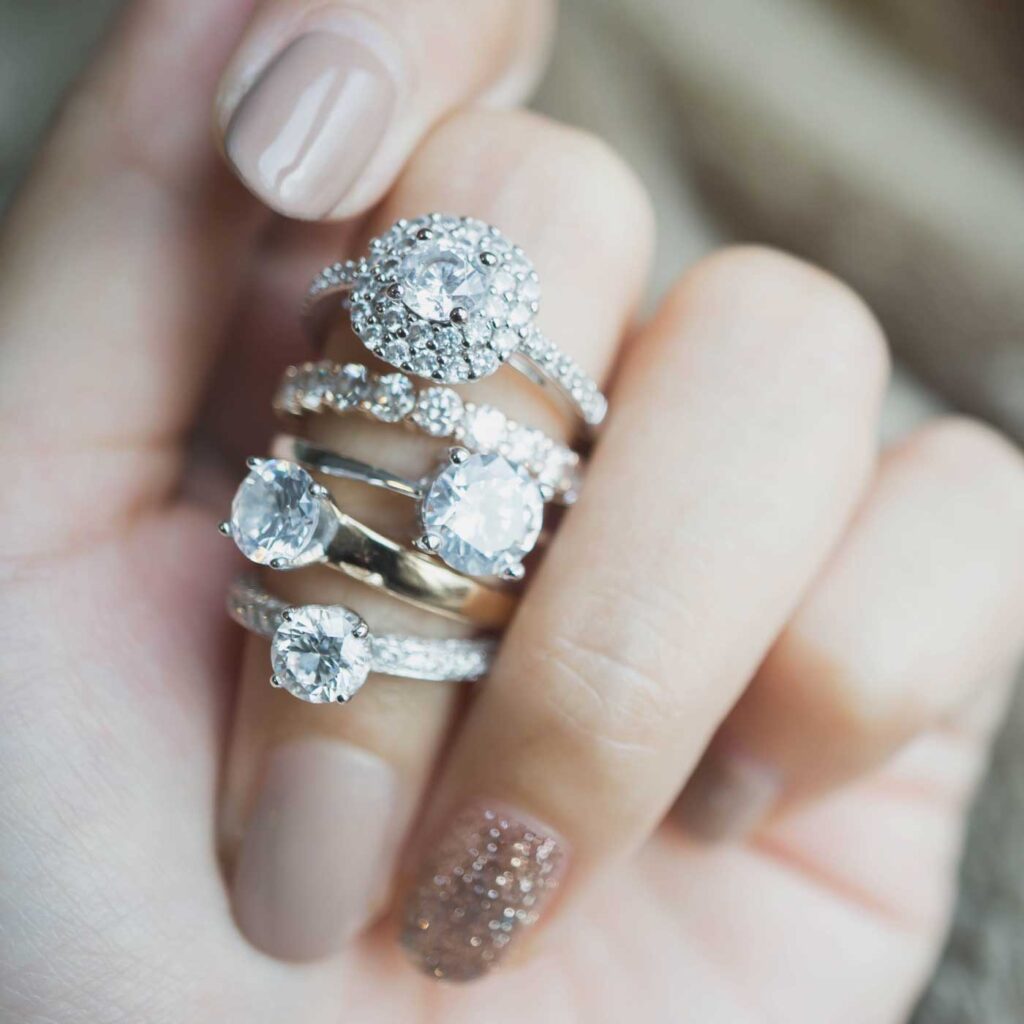
Standard homeowners and renters policies have “sub-limits” on certain categories. For example, your policy might cover $30,000 in total belongings, but only $1,500 for jewelry or $2,500 for firearms.
- The Solution: If you have an engagement ring, a high-end camera, or fine art, you need to “schedule” those items. This is often called a Scheduled Personal Property Endorsement. It provides broader protection and often has no deductible.
4. Physical Protection Measures
Insurance is your safety net, but prevention is your first line of defense:
- Smart Sensors: Modern water leak sensors can alert your phone the second a pipe bursts, saving your furniture and electronics from water damage.
- Fire-Rated Safes: For irreplaceable items like birth certificates, passports, and family photos, a fire-rated safe is a non-negotiable.
- Security Systems: A monitored alarm system doesn’t just deter thieves; it often earns you a discount on your insurance premium.
5. Protection Outside the Home
Many people don’t realize that their personal property is often covered even when it’s not at home.
- Travel: If your suitcase is stolen from a hotel room in another country, your homeowners or renters insurance may cover the loss.
- Your Car: If someone smashes your car window and steals your laptop, your auto insurance usually won’t cover the laptop—but your homeowners or renters insurance will.
Final Thoughts
Your belongings represent years of hard work and memories. Taking thirty minutes today to record a home inventory and review your policy limits can save you months of heartache down the road.
Is your current policy enough to replace everything you own? At Mythic Enterprises, we help you look past the “basic” numbers to ensure you’re truly protected. Reach out to one of our expert agents today for a free policy review.
Adding an FAQ section is a great way to help your readers quickly find answers to specific concerns that might not fit into the main flow of the article.
Here is a tailored FAQ for your “Protecting Personal Belongings” post.
Frequently Asked Questions
1. Does my insurance cover my belongings if they are stolen from my car?
Yes, usually. A common misconception is that your auto insurance covers items stolen from your vehicle. In reality, your Homeowners or Renters insurance is what typically covers personal property “off-premises.” If your laptop is swiped from your back seat, you would file the claim through your home policy, not your auto policy.
2. What is a “sub-limit” and why does it matter?
Even if you have $50,000 in total personal property coverage, your policy likely has sub-limits for specific categories. For example, most standard policies only cover up to $1,500 for jewelry or $2,500 for silverware in the event of theft. If your engagement ring is worth $5,000, you are underinsured unless you specifically “schedule” that item.
3. Do I need an appraisal to insure my valuables?
For everyday items like furniture and clothes, a receipt or a photo is usually enough. however, for Scheduled Personal Property (like fine art, high-end watches, or antiques), insurance carriers almost always require a professional appraisal from within the last 2–3 years to verify the item’s value before they will provide coverage.
4. Are my belongings covered while I’m moving?
It depends. Most policies provide “transit” coverage for your belongings while they are being moved to a new primary residence, but the coverage is often limited to specific perils (like a fire or a truck accident) rather than “breakage” caused by the movers. If you are using a professional moving company, it is always wise to purchase their additional “Full Value Protection.”
5. If I live in a flood zone, are my belongings covered for water damage?
Not by a standard policy. Standard Homeowners and Renters insurance specifically exclude flood damage (water rising from the ground). To protect your furniture and belongings from a flood, you must purchase a separate Flood Insurance policy through the NFIP or a private carrier.
6. Does my policy cover my “collections”?
Whether it’s vintage vinyl, rare coins, or high-end sneakers, collections can be tricky. Because their market value is often much higher than their “utility” value, standard policies may not pay out what they are truly worth. For serious collectors, we recommend a Collectibles Floater, which accounts for the appreciation and rarity of the items.